Osteopenia progesterone - will it help build bone?
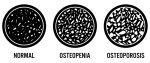
Osteopenia progesterone - background information. We need to do a bit of review about bone building. Our bone density is dependent on the work of bout our Osteoclasts, which remove old, weakened bone and our Osteoblasts which build new bone. When these cells work in good balance, our bones are in a constant state of renewal or 'bone remodeling'.
Osteoblasts (bone builders) are directly effected by the hormones estrogen and progesterone. Estrogen slows Osteoblasts, preventing them from building and remodeling bone, causing porous bone and bone loss which can lead to Osteopenia or Osteoporosis. Progesterone speeds up the activity of Osteoblasts, helping them to build and remodel new bone, preventing osteopenia.
So what does all this mean?
As women age both estrogen and progesterone levels drop. Estrogen
levels fall by 60-80%, while progesterone levels fall to near zero,
leaving the woman in a state known as estrogen dominance. Estrogen
dominance is exasperated by xenohormones, synthetic chemicals such as
pesticides and plastics, which have estrogenic effects. These chemicals
are so pervasive that both men and women are now affected by them.
NOTE: Xenohormones combine with estrogen receptor sites to:
- activate estrogenic action:
- induce extra estrogen receptors
- inhibit the ability of the liver to excrete estrogen
- inhibit the effects of progesterone
Xenohormones are suppressing the woman’s LH (luteinizing hormone), the pituitary hormone that signals the ovaries to release the egg and make progesterone. As noted above the environment is so flooded that men as well as women suffer form estrogen dominance. In men there has been a 50% decrease in sperm count since 1938 and increased incidence of testicular and prostate cancer due to estrogen dominance.
As progesterone decreases there is a decrease in the creation of Osteoblasts , the bone building cells - increasing the probability of decreased bone mineral density.
To overcome this imbalance, some health care providers advise all women in in permenopause or menopause to apply 28-30 mg. of real progesterone cream each day. Although natural progesterone cream is necessary it’s not sufficient to prevent osteopenia.
Special note about Osteopenia progesterone creams
Although natural progesterone cream may be necessary it’s not sufficient to prevent Osteopenia or Osteoporosis. Deficiency of certain vitamins and minerals such as calcium, magnesium, and vitamin D will also cause decreased bone mass leading to Osteopenia, Osteoporosis.
Not only are other vitamins and minerals necessary for healthy bones, it’s especially the form and dosages of: calcium , magnesium and Vitamin D that is crucial.
You can buy Natural Progesterone cream at Amazon:

Have you experience with this?
Do you have experience with this? Please share it!
Search this site

Recent Articles


-
Does taking calcium help osteopenia
Apr 12, 24 06:45 PM
Does taking calcium help osteopenia, what does the research say -
Aclasta information | Osteoporosis infusion | Zoledronic acid
Jan 20, 24 05:46 PM
Aclasta information: Osteoporosis research, benefits, side effects of Alclasta (Reclast) Osteoporosis drug -
Abaloparatide Thymos 0steoporosis medication reduces fracture risk
Nov 07, 23 01:08 PM
 Abaloparatide Thymos 0steoporosis medication treatment increased bone mass, density, strength & restored bone micro architecture. increased bone strength.