Caltrate Calcium for bone building
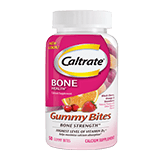
Caltrate Calcium supplement. Will Caltrate calcium be good choice is you want a supplement to build stronger bones? Is it good for those with Osteopenia? or those with Osteoporosis? Let's review what the research says.
Scientific studies have shown the importance of calcium/Vitamin D supplements in slowing and reversing bone loss. Recent studies also show the importance of taking Vitamin D along with any calcium supplement. A number of manufacturers now include Vitamin D in their products and some prescription drugs include Vitamin D recommendations in their information packs.
But the big question for those of us with Osteopenia or Osteoporosis is: Which of the many calcium supplements on the market is really good for bone building?. So many companies make big claims for their products. Some of those claims are grounded in science...others seem more marketing 'hype'. Where does about Caltrate calcium stand?
Here is an unbiased review of Caltrate Calcium supplement manufactured by Pfizer Consumer Healthcare ( or Hisamitsu Pharmaceutical in Japan). It begins with a summary of scientific studies for this supplement.
Scientific studies about Caltrate Calcium.
The National Center for Biotechnology Information in the United States publishes ABSTRACTS (and sometimes the full text) of all scientific studies found in medical journals. When I want to know what scientists have to say about a supplement, NCBI is first place I go.
When I searched the NCBI site for scientific studies Caltrate Calcium, I was surprised to find only one article and it was published in the Eur. Journal Clinical Nutrition back in 1991.
The study was authored by researchers at the Division of Clinical Chemistry, Royal Adelaide Hospital, South Australia and its title was “The Effect of three different calcium preparations on urinary calcium and hydroxyproline excretion in postmenopausal osteoporotic women.”. The three brands were: Sandocal, Calsup and Caltrate.
Their conclusion? There was NO DIFFERENCE IN THE EFFECTIVENESS of the three brands of calcium supplements tested.
If you want to read their research conclusions for yourself, here they are: (If this is not of interest, just skip down to the next section on this page.)
“Some authors have claimed that 'solubilized' calcium preparations are better absorbed than calcium carbonate, while others have reported that all forms are equally well absorbed. We measured radiocalcium absorption in 35 postmenopausal osteoporotic women and then gave them on three successive evenings, in random order, three different proprietary calcium preparations (Sandocal containing 1 g of effervescent calcium, Calsup containing 1 g of calcium as the carbonate, and Caltrate containing 1.2 g of calcium as the carbonate).
The daily urinary calcium excretion rose significantly and similarly on all three supplements and was greater in the high calcium absorbers than the low calcium absorbers. The fasting urinary hydroxyproline excretion was significantly decreased the morning after administration of each preparation, and one-way analysis of variance showed no significant difference between the days of administration or the type of supplement.
The decrease was greater for high absorbers than for low absorbers on all three supplements but the differences did not reach statistical significance. By 36 hours after the last calcium supplement the urinary hydroxyproline had returned to baseline. The response of hydroxyproline excretion (and by implication bone resorption) appears to be rapid in onset and short lived. Strict compliance is therefore important in patients on calcium therapy.” Source: Clacium Caltrate comparision study
Are their better forms of calcium for your bones?
Some forms of calcium have been shown to be better absorbed than Calcium caltrate. And the claims have been verified in scientific studies. AAACa, sold under the brand name of Advacal is one such form of Calcium and AlgaeCal, which is made from plant sources is another.
To read about Advacal click on Advacal Calcium for Stronger Bones
To read about AlgaeCal, click on: AlgaeCal for Stronger bones
To return to the Index page for this site, click on Index
Search this site

Recent Articles


-
Does taking calcium help osteopenia
Apr 12, 24 06:45 PM
Does taking calcium help osteopenia, what does the research say -
Aclasta information | Osteoporosis infusion | Zoledronic acid
Jan 20, 24 05:46 PM
Aclasta information: Osteoporosis research, benefits, side effects of Alclasta (Reclast) Osteoporosis drug -
Abaloparatide Thymos 0steoporosis medication reduces fracture risk
Nov 07, 23 01:08 PM
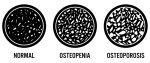 Abaloparatide Thymos 0steoporosis medication treatment increased bone mass, density, strength & restored bone micro architecture. increased bone strength.